
What is a Domain and How to Set Up One for Your Business
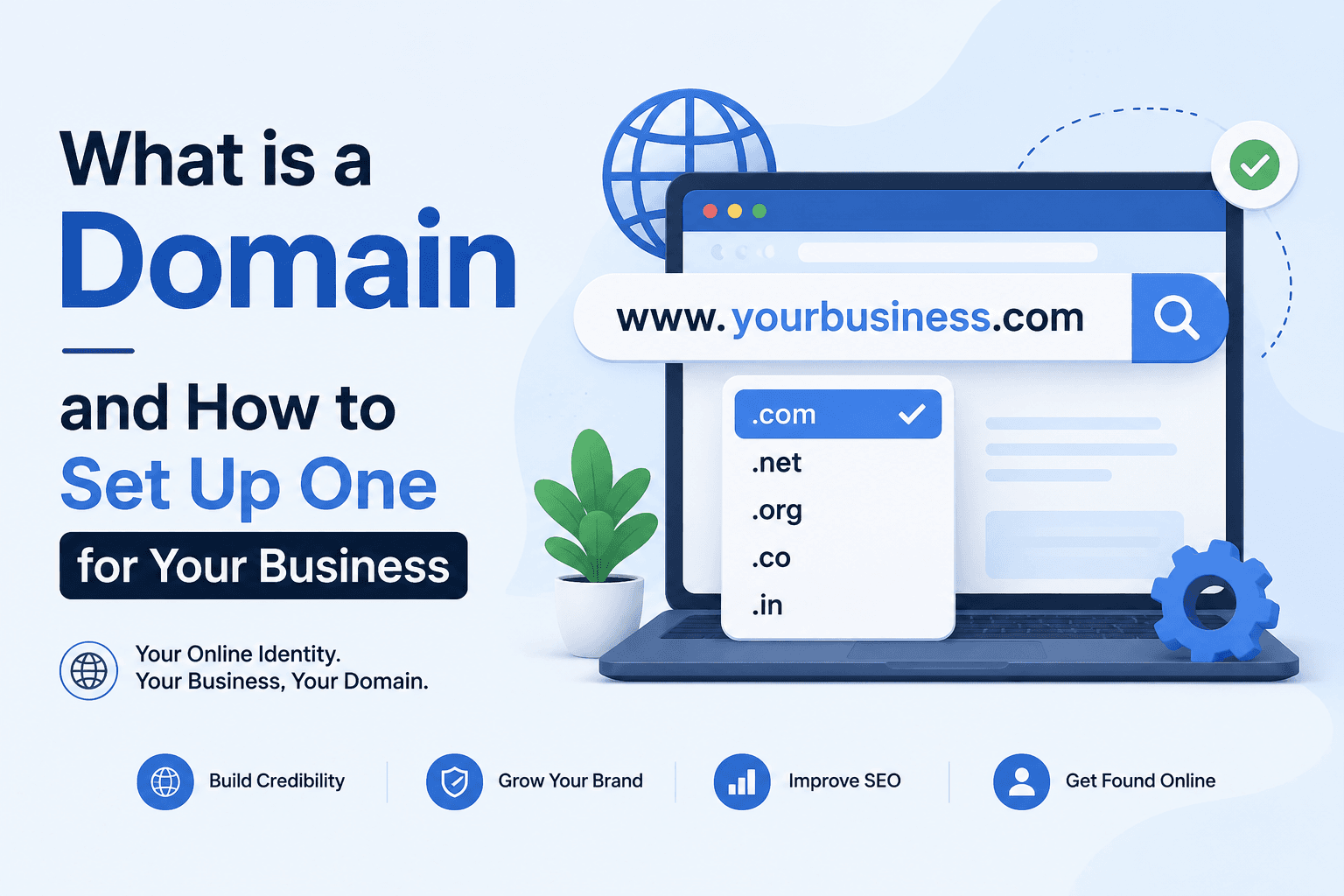
What is a Domain and How to Set Up One for Your Business
In the digital age, having an online presence is crucial for any business, especially for small businesses in South Africa. One of the first steps in establishing your online brand is understanding the concept of a domain. In this guide, we’ll explore what a domain is, why it’s important, and how you can set one up for your business.
What is a Domain?
A domain is essentially your business's address on the internet. It is the string of text that people type into a web browser to visit your website, like www.yourbusiness.co.za. Domains are made up of two main parts:
- Second-level domain (SLD): This is your unique business name (e.g.,
yourbusiness). - Top-level domain (TLD): This indicates the type of entity or location (e.g.,
.co.zafor South Africa).
Why is a Domain Important?
Having your own domain is vital for several reasons:
- Professionalism: A custom domain presents a more professional image to customers.
- Branding: It helps build brand recognition and trust.
- SEO Benefits: A relevant domain can improve your search engine optimization (SEO) efforts, making it easier for potential customers to find you online.
- Control: Owning your domain gives you control over your online presence and how you communicate with your audience.
Steps to Set Up a Domain for Your Business
Setting up a domain may seem daunting, but it can be broken down into simple steps. Here’s how you can do it:
1. Choose a Domain Name
Choosing the right domain name is crucial. Here are some tips:
- Make it short and memorable.
- Incorporate your business name if possible.
- Avoid using numbers or hyphens, as these can be confusing.
- Consider including keywords related to your business to enhance SEO, such as
yourbusiness-pretoria.co.za.
2. Check Domain Availability
Once you have a name in mind, check if it’s available. You can do this through various domain registration sites like GoDaddy, Namecheap, or Local Hosting Providers in South Africa like Afrihost or Host Africa. If your desired domain is taken, consider variations or different TLDs.
3. Register Your Domain
After you find an available domain name, it’s time to register it. Here’s how:
- Choose a domain registrar that suits your needs. Factors to consider include cost, customer support, and additional features like email hosting.
- Fill out the registration form with your details and choose the length of your registration (typically 1 to 10 years).
- Make sure to provide accurate contact information to avoid losing your domain.
- Pay the registration fee, which usually ranges from R100 to R500 per year, depending on the registrar and TLD.
4. Set Up Domain Hosting
After registration, you need to link your domain to a hosting service where your website files will be stored. Here’s how:
- Choose a web hosting provider that fits your business needs. Local options like Xneelo or Vox are great for South African businesses.
- Follow the provider's instructions to connect your domain to their servers. This typically involves updating your DNS records.
5. Build Your Website
With your domain registered and hosting set up, it’s time to build your website. You can:
- Use website builders like WordPress, Wix, or Shopify for an easy setup.
- Hire a web developer (like those at SmartWebSync Solutions) if you want a custom solution tailored to your business needs.
6. Optimize for Local SEO
As a South African business, optimizing your website for local search is essential. Here are some tips:
- Include your location in your website content and metadata (like title tags and descriptions).
- List your business on local directories and Google My Business.
- Create content that addresses local issues, such as discussing how your business can help during load shedding or the township economy.
Common Challenges in Domain Registration
In South Africa, small businesses may face specific challenges during domain registration:
- Data Costs: Ensure you have reliable internet access when registering your domain.
- Load Shedding: Plan your registration and website setup during scheduled power times.
- Local Regulations: Familiarize yourself with local laws and regulations regarding online businesses.
Call to Action
Now that you understand what a domain is and how to set one up, it’s time to take action! Whether you’re starting a new business or revamping your online presence, having a domain is a crucial step in your journey. At SmartWebSync Solutions, we specialize in helping South African small businesses and students create stunning websites and applications. Contact us today to get started on your online journey!